

Deltran Battery Tender Plus chargers‚ detailed in user instructions on ManualsLib‚ are vital for 12V/24V battery maintenance.
These waterproof‚ vibration-resistant (VRW) chargers‚ like the Power Tender Plus 12V6A‚ ensure optimal battery health and longevity.
What is a Battery Tender Plus?
The Battery Tender Plus‚ as outlined in the Deltran user instructions available on ManualsLib‚ is a sophisticated battery charger‚ maintainer‚ and conditioner. It’s designed for lead-acid‚ AGM‚ and gel batteries‚ offering multi-stage charging for optimal performance.
Specifically‚ models like the Power Tender Plus 12V6A and 24V3A utilize a fully automatic cycle‚ switching from bulk charge to float mode. This prevents overcharging and extends battery life‚ making it ideal for seasonal vehicles or long-term storage.
Key Features and Benefits
According to the Deltran Battery Tender Power Plus user instructions found on ManualsLib‚ key features include automatic charging‚ float mode maintenance‚ and boost functionality.
Benefits encompass extended battery life‚ prevention of sulfation‚ and the ability to maintain optimal charge levels during storage. The Power Tender Plus 12V6A is also waterproof and vibration resistant (VRW)‚ ensuring durability. These chargers offer convenience and peace of mind for various battery applications.

Understanding the Different Models
Deltran offers Battery Tenders in 12V and 24V options‚ with amperage choices like 1.25A and 6A‚ as detailed in available manuals.
12V Battery Tenders
Deltran’s 12V Battery Tenders‚ including the popular Power Tender Plus 12V6A model found on ManualsLib‚ are designed for maintaining lead-acid‚ AGM‚ and gel batteries commonly used in vehicles and powersports equipment.
These chargers feature automatic charging cycles‚ switching to float mode once the battery is full‚ preventing overcharging. The 12V options are ideal for motorcycles‚ cars‚ boats‚ and RVs‚ offering reliable power maintenance and extending battery lifespan.
24V Battery Tenders
Deltran also offers Battery Tenders specifically for 24V systems‚ such as the Power Tender Plus 24V3A‚ detailed in available user instructions on ManualsLib. These are crucial for maintaining batteries in larger vehicles‚ heavy equipment‚ and off-grid power setups.
Like their 12V counterparts‚ 24V models provide automatic charging and float mode maintenance‚ ensuring optimal battery health. They are designed for reliability and longevity‚ extending the life of 24V battery systems.
Amperage Options: 1.25A vs. 6A
Battery Tender Plus models come in varying amperage options‚ primarily 1.25A and 6A‚ as outlined in the Power Tender Plus user instructions found on ManualsLib. The 1.25A is ideal for smaller batteries and trickle charging‚ while the 6A provides a faster charge for larger‚ deeply discharged batteries.
Choosing the correct amperage ensures efficient and safe charging‚ preventing overcharging or damage to the battery. Both options feature automatic switching to float mode once fully charged.

Setting Up Your Battery Tender Plus
Proper setup‚ detailed in the Deltran Battery Tender manual on ManualsLib‚ involves securely connecting the charger to the battery and a reliable AC power source.
Connecting to the Battery
Connecting to the battery requires careful attention to polarity; red clip to positive (+)‚ black clip to negative (-). Ensure a clean connection for optimal charging‚ as detailed in the Deltran Battery Tender manual available on ManualsLib.
Avoid connecting the charger to a completely discharged battery (below 3 volts) as recovery may be impossible. Disconnect any loads drawing power from the battery before initiating the charging process for accurate assessment and efficient charging.
AC Power Connection
The Battery Tender Plus requires a standard AC power outlet for operation‚ as outlined in the Power Tender Plus 12V6A user instructions found on ManualsLib. Verify the outlet provides consistent power; troubleshooting begins with ensuring AC power is available.
The charger is designed for indoor use‚ and the AC cord should be inspected regularly for damage. Avoid using extension cords if possible‚ and always ensure a secure connection to prevent interruptions during the charging cycle.
Indicator Lights Explained
The Battery Tender Plus utilizes indicator lights to communicate charging status‚ detailed in the Power Tender Plus manual available on ManualsLib. A solid green light typically indicates a fully charged battery in float mode.
A flashing red light suggests a problem‚ potentially a low voltage (below 3V) or a reversed connection. Refer to the troubleshooting section of the manual for specific remedies based on the light pattern observed during operation.

Charging Modes and Operation
Battery Tender Plus chargers feature an automatic cycle‚ float mode for maintenance‚ and a boost mode‚ as outlined in the Power Tender Plus manual.
Automatic Charging Cycle
The Battery Tender Plus employs a sophisticated‚ multi-stage automatic charging cycle. Initially‚ it assesses the battery’s voltage and begins bulk charging at the maximum amperage (1.25A or 6A).
As the battery reaches approximately 80% charge‚ the charger transitions to a constant voltage phase‚ gradually reducing the current. Finally‚ it enters float mode‚ maintaining the battery at a full charge without overcharging‚ as detailed in the Power Tender Plus user instructions available on ManualsLib.
Float Mode Maintenance
Once the Battery Tender Plus fully charges a battery‚ it seamlessly switches to float mode. This crucial stage maintains the battery at its optimal voltage (around 13.2-13.8V) without risk of overcharging‚ extending its lifespan significantly.
The charger periodically “tops off” the battery‚ compensating for any natural self-discharge. ManualsLib’s Power Tender Plus instructions emphasize that continuous float mode operation is safe and recommended for long-term battery storage and maintenance.
Boost Mode Functionality
The Battery Tender Plus incorporates a boost mode‚ designed to recover deeply discharged batteries – though recovery isn’t guaranteed below 3 volts. This mode delivers a higher current‚ as seen in the Power Tender Plus 12V6A‚ to quickly raise the battery’s voltage to a level where normal charging can commence.
ManualsLib user guides caution that prolonged boost mode use isn’t recommended‚ and it’s best suited for short-term recovery attempts before switching to the automatic charging cycle.
Troubleshooting Common Issues
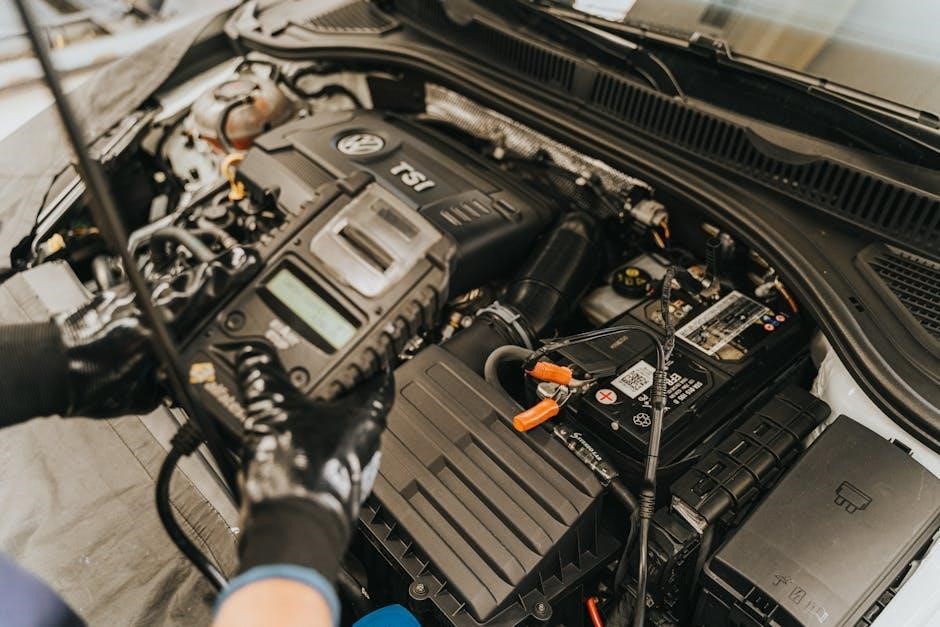
Battery Tender Plus troubleshooting‚ per checklists‚ starts with verifying AC power. If the battery voltage is below 3V‚ recovery may be impossible.
No AC Power Available
If the Battery Tender Plus isn’t receiving power‚ the initial troubleshooting step‚ as outlined in the user manual available on ManualsLib‚ is to ensure a functioning AC power source. Verify the outlet is active by testing it with another device.
Check the power cord connection to both the charger and the wall outlet‚ ensuring it’s securely plugged in. A loose connection is a common cause of power failure. Inspect the cord for any visible damage or fraying‚ which could indicate a safety hazard.
Battery Voltage Below 3 Volts
The Battery Tender Plus manual notes that if a 12-volt battery’s voltage drops below 3 volts‚ recovery may be impossible. Deeply discharged batteries often suffer irreversible damage. Disconnect all loads drawing power from the battery before attempting to charge it with the Tender Plus.
This prevents further voltage drop during the initial charging phase. While the charger will attempt to recover the battery‚ severely depleted cells may not accept a charge‚ necessitating replacement.
Charger Not Recognizing Battery
If the Battery Tender Plus fails to recognize a connected battery‚ first ensure a secure connection between the charger clips and the battery terminals. Check for corrosion or debris hindering conductivity. Verify the battery isn’t completely discharged below the minimum voltage threshold—typically around 3 volts.
Consult the manual for specific troubleshooting steps‚ as intermittent connections or a faulty battery can prevent proper recognition and charging initiation.

Safety Precautions
Battery Tender Plus manuals emphasize proper ventilation during charging to prevent hydrogen gas buildup. Avoid short circuits and consider temperature limitations for safe operation.
Proper Ventilation
Battery Tender Plus manuals consistently highlight the critical importance of adequate ventilation when charging batteries. During the charging process‚ batteries release hydrogen gas‚ which is highly flammable and potentially explosive.
Therefore‚ it’s essential to charge batteries in a well-ventilated area‚ avoiding enclosed spaces like airtight garages or containers. Ensure sufficient airflow to dissipate the gas safely‚ minimizing the risk of ignition from sparks or open flames.
Always prioritize safety by following these ventilation guidelines.
Avoiding Short Circuits
Battery Tender Plus user instructions emphasize preventing short circuits during connection and operation. A short circuit occurs when there’s an unintended low-resistance path for current flow‚ potentially damaging the charger‚ battery‚ and surrounding components.
Always ensure the positive (+) and negative (-) clamps do not touch each other or any metallic surfaces. Inspect cables for damage before each use‚ replacing any frayed or cracked wires. Proper cable routing further minimizes accidental contact and ensures safe charging.
Temperature Considerations
Battery Tender Plus manuals highlight the importance of temperature during charging. Extreme temperatures – both hot and cold – can negatively impact battery performance and charger efficiency.
Avoid charging batteries in direct sunlight or near heat sources. Ideally‚ charge in a well-ventilated area between 50°F and 80°F (10°C and 27°C). Cold temperatures reduce battery capacity‚ while excessive heat can cause damage or even a fire hazard.
Battery Compatibility
Battery Tender Plus chargers‚ per the manual‚ effectively maintain Lead-Acid‚ AGM‚ and Gel batteries‚ offering versatile charging solutions for diverse power needs.
Lead-Acid Batteries
Battery Tender Plus chargers are exceptionally well-suited for maintaining traditional Lead-Acid batteries. The user manual details that these chargers deliver a controlled‚ multi-stage charge‚ preventing overcharging and sulfation—common issues affecting Lead-Acid longevity.
This ensures optimal performance and extends the battery’s lifespan. The chargers effectively revitalize deeply discharged Lead-Acid batteries‚ though recovery isn’t guaranteed if the voltage drops below 3 volts‚ as noted in troubleshooting guides.
AGM Batteries
The Battery Tender Plus manual confirms compatibility with AGM (Absorbent Glass Mat) batteries. These chargers utilize a specialized charging profile optimized for AGM technology‚ delivering a gentle yet effective charge.
This prevents damage to the sensitive AGM cells and maximizes their lifespan. The multi-stage charging process ensures proper absorption and float stages‚ maintaining AGM batteries at peak condition without risk of overcharging‚ as detailed in the user instructions available on ManualsLib.
Gel Batteries
Battery Tender Plus chargers‚ as outlined in the Power Tender Plus user instructions found on ManualsLib‚ are also suitable for Gel batteries. However‚ the manual emphasizes the importance of selecting the correct charging mode.
Gel batteries require a lower voltage charging profile compared to traditional lead-acid or AGM batteries. Utilizing the appropriate setting prevents gassing and damage to the gel electrolyte‚ ensuring optimal performance and longevity. Careful adherence to the manual’s guidelines is crucial for successful Gel battery maintenance.
Advanced Features
Battery Tender Plus models boast Temperature Compensation and Low Voltage Detection‚ enhancing charging precision and battery protection‚ per the manual.
Temperature Compensation
Deltran Battery Tender Plus chargers intelligently adjust the charging voltage based on ambient temperature‚ a feature detailed within the user manual. This Temperature Compensation ensures optimal charging in varying climates‚ preventing overcharging in hot conditions and undercharging when cold.
This sophisticated function extends battery life by adapting to environmental factors‚ providing a more complete and efficient charge cycle. It’s a key benefit highlighted in ManualsLib resources for these VRW chargers.
Low Voltage Detection
The Battery Tender Plus‚ as outlined in the user manual available on resources like ManualsLib‚ incorporates Low Voltage Detection. This crucial safety feature monitors battery voltage and prevents charging if it falls below 3 volts for a 12V battery.
Attempting to charge a deeply discharged battery can be risky; this detection safeguards against potential damage and indicates a battery may be beyond recovery‚ offering vital protection.

Maintenance and Care
Battery Tender Plus maintenance‚ per the manual‚ involves regular cleaning and cable inspection to ensure optimal performance and longevity of the charger.
Cleaning the Charger
Deltran recommends periodically cleaning your Battery Tender Plus to maintain its efficiency and lifespan. Disconnect the charger from both the AC power source and the battery before any cleaning attempts. Use a slightly damp cloth to wipe down the exterior casing‚ removing any dust or debris that may have accumulated.
Avoid using harsh chemicals or solvents‚ as these could damage the charger’s components. Ensure the charger is completely dry before reconnecting it to power or a battery. Regular cleaning contributes to reliable operation‚ as outlined in the manual.
Cable Inspection
Regularly inspect the cables of your Battery Tender Plus for any signs of damage‚ as detailed in the manual. Look for cracks‚ fraying‚ or exposed wires‚ which could pose a safety hazard or reduce charging efficiency. Pay close attention to the connection points‚ ensuring they are clean and secure.
If any damage is detected‚ immediately discontinue use and replace the cables. Using damaged cables can lead to poor performance or even electrical shock. Maintaining cable integrity is crucial for safe and effective battery charging.

Deltran Battery Tender History
Deltran’s origins include RFA Battery history‚ with applications extending to military use‚ evolving into the reliable Battery Tender Plus chargers we know today.
Origins and Evolution
Deltran’s roots trace back to military applications‚ specifically supporting the Royal Field Artillery (RFA)‚ as evidenced by service records from units like 1207 Bty RFA. This history‚ beginning around 1917‚ fostered expertise in battery maintenance.
Over time‚ this knowledge transitioned into developing consumer-focused battery charging solutions. The Battery Tender Plus evolved from these origins‚ becoming a trusted brand known for its robust and reliable Power Tender Plus models (12V6A‚ 24V3A)‚ detailed in ManualsLib resources.
Military Applications (RFA Battery History)
Deltran’s foundation lies in supporting the Royal Field Artillery (RFA)‚ with documented service in batteries like 1207 Bty RFA‚ potentially under the 255 Bde RFA. This early work demanded dependable battery maintenance in challenging conditions.
The need for robust charging solutions for military equipment directly influenced Deltran’s later development of the Battery Tender Plus line. This legacy of reliability is reflected in the Power Tender Plus models‚ detailed in available ManualsLib documentation.
User Manual Resources
Battery Tender Plus user instructions‚ including the Power Tender Plus 12V6A‚ are readily accessible online at ManualsLib.
These resources detail operation‚ safety‚ and troubleshooting for various models.
Accessing Online Manuals (ManualsLib)
ManualsLib serves as a comprehensive online repository for Battery Tender Plus documentation‚ offering convenient access to user manuals for numerous models.
You can find detailed instructions for the Power Tender Plus 12V6A and other variants‚ covering essential aspects like safety precautions‚ charging modes‚ and troubleshooting steps.
These digital manuals provide valuable insights into maximizing the charger’s performance and ensuring the longevity of your batteries‚ readily available for download and viewing.
Understanding Model Numbers
Battery Tender Plus model numbers‚ such as 12V6A or 24V3A‚ reveal crucial information about the charger’s capabilities.
The first digits indicate the voltage compatibility – 12V or 24V – defining which battery types the charger can safely maintain.
The subsequent number signifies the maximum amperage output‚ impacting charging speed and battery capacity suitability‚ as detailed in available user instructions.
Warranty Information
Deltran Battery Tender products possess coverage details‚ though specifics require reviewing the official warranty documentation.
The claim process typically involves contacting Deltran with proof of purchase and a description of the issue.
Coverage Details
Deltran Battery Tender Plus warranty specifics aren’t explicitly detailed in readily available snippets‚ necessitating a review of the official warranty documentation accompanying your charger. Generally‚ warranties cover defects in materials and workmanship under normal use.
Coverage duration varies by model and region‚ but typically extends for a limited period from the original purchase date. The warranty doesn’t cover damage resulting from misuse‚ accidents‚ unauthorized modifications‚ or normal wear and tear. Retaining your proof of purchase is crucial for initiating a warranty claim.
Claim Process
To initiate a warranty claim for your Battery Tender Plus‚ gather your proof of purchase and a detailed description of the defect. Contact Deltran customer support directly – their contact information isn’t provided in the snippets‚ requiring a search on their official website.
You may need to return the defective charger for inspection. Shipping costs for returns might be your responsibility. Deltran will assess the claim and‚ if approved‚ offer repair or replacement at their discretion.

Frequently Asked Questions (FAQ)
Battery Tender Plus can remain connected indefinitely‚ maintaining optimal charge. A completely dead battery (below 3V) may not recover‚ as noted in troubleshooting guides.
Can I leave the Battery Tender Plus connected indefinitely?
Yes‚ the Battery Tender Plus is designed for continuous connection without causing overcharging. Once the battery reaches full charge‚ the charger automatically switches to float mode‚ maintaining the optimal voltage level.
This ensures your battery remains fully charged and ready for use‚ extending its lifespan. The intelligent charging cycle prevents damage‚ making it safe for long-term maintenance‚ as detailed in the Power Tender Plus user instructions available on ManualsLib.
What if my battery is completely dead?
If a 12-volt battery’s voltage drops below 3 volts‚ recovery may be impossible‚ according to troubleshooting guides. The Battery Tender Plus might struggle to initiate a charge in such cases.
Disconnect all loads and attempt to charge; however‚ deeply discharged batteries often suffer irreversible damage. Consult the Power Tender Plus manual on ManualsLib for specific recommendations and limitations regarding severely depleted batteries before attempting a recharge.